
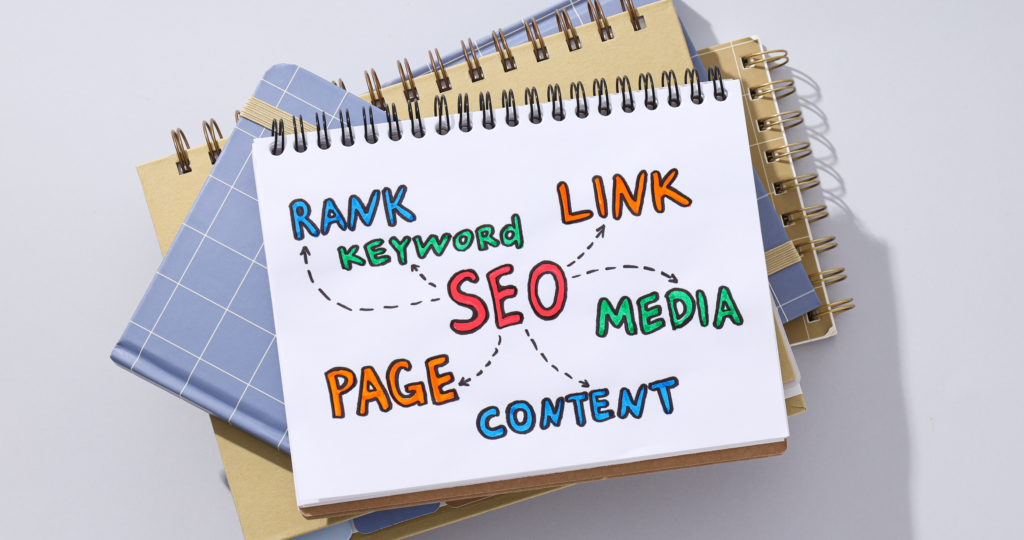
Welcome to North Carolina SEO! If you’ve been wondering how to improve your website’s visibility in search engine results, focusing on on-page SEO is a great place to start. On-page SEO, also known as on-site SEO, refers to optimizing individual web pages to rank higher and earn more relevant traffic.
Think of on-page SEO as the foundation of your online presence. By following best practices and paying attention to key elements, you create a website that appeals to both users and search engines. Not sure where to begin? Don’t worry—we’ll walk you through the essential on-page SEO elements that you should focus on.
What Is On-Page SEO and Why Is It Important?
On-page SEO encompasses all optimizations made directly on your website, such as enhancing content, improving HTML elements, and ensuring a positive user experience. It helps search engines understand the relevance and quality of your site, which in turn affects where your pages rank in search results.
When done correctly, on-page SEO can:
- Improve your website’s visibility in search rankings.
- Drive organic traffic to your site.
- Enhance the user experience, keeping visitors on your pages longer.
Essential On-Page SEO Elements to Optimize
Building a strong on-page SEO foundation is crucial for driving organic traffic to your website and ensuring long-term search engine success. By optimizing key on-page elements, you can improve your site’s visibility, boost engagement, and ultimately achieve higher rankings. Below are the essential on-page SEO elements to prioritize, along with detailed explanations, examples, and strategies for implementation.
1. Title Tags
Title tags are among the most critical on-page SEO elements. They serve as clickable headlines in search engine results and are essential for informing both search engines and users about the page’s focus.
- Why It Matters
Search engines use title tags as a ranking factor, making them an essential ranking signal. A well-optimized title tag can increase click-through rates (CTR) by attracting users with relevant and compelling descriptions. - Best Practices
- Be Descriptive and Concise: Aim for 50-56 characters, so your titles don’t get cut off in search results. For example, instead of “Shoes for Sale,” opt for “Comfortable Running Shoes for Men and Women.”
- Use Keywords Naturally: Place your primary keyword as close to the beginning of the title as possible for better emphasis.
- Focus on User Intent: Ensure your title tag matches what users expect when searching. For instance, for a blog post about baking, use a title like “15 Easy Cookie Recipes for Beginners.”
- Write for Clicks: Make the title enticing by sparking curiosity or offering value, such as “10 Proven Strategies to Double Your Website Traffic.”
- Industries in Focus
E-commerce websites can attract more buyers with optimized product-page title tags like “Buy Affordable Organic Skincare Online.” Similarly, a legal services firm might benefit from titles like “Expert Divorce Attorneys in Los Angeles.”
2. Meta Descriptions
Meta descriptions offer a brief summary of your webpage and appear beneath the title tag in search results. While not a direct ranking factor, they significantly influence CTR by persuading users to click.
- Why It Matters
A compelling meta description acts as your pitch to users, inviting them to visit your site over competitors. This, in turn, can indirectly improve rankings by increasing user engagement metrics like CTR. - Best Practices
- Summarize Effectively: Provide a clear and engaging synopsis of what your page offers.
- Include Keywords Naturally: Highlight your primary keyword and a related phrase to signal relevance.
- Add a Call-to-Action (CTA): Incorporate action-oriented phrases like “Find Out How” or “Shop Now.”
- Stay Within Character Limits: Aim for 150-160 characters to avoid truncation. For example, “Discover the best hiking gear for your next adventure. Shop lightweight, durable, and affordable equipment today!”
- Industries in Focus
Travel blogs can entice readers by summarizing the content of articles, such as “Plan the ultimate Bali getaway with our detailed travel guide and budget tips.” An online retailer might use meta descriptions to emphasize deals, like “Get 25% off on your first order of eco-friendly fashion.”
3. Header Tags (H1, H2, H3, etc.)
Header tags structure your content and make it more organized and scannable for both users and search engines. These tags guide users through your page while helping search engines index your content effectively.
- Why It Matters
Clear and logical headers improve readability and contribute to better user engagement metrics, which search engines value when ranking pages. Additionally, headers help keywords gain prominence in specific sections of your content. - Best Practices
- H1 Tags: Use one H1 tag per page as the primary title, incorporating your main keyword naturally. For example, “The Ultimate Guide to Vegan Cooking for Beginners.”
- H2 and H3 Tags: Use these to create subsections and address user questions or related topics, ensuring content flows logically.
- Organic Keyword Placement: Avoid overloading headers with keywords; instead, use them when they add natural value.
- Industries in Focus
For online courses, H1 headers could title the course’s main topic, such as “Master Graphic Design in 8 Weeks,” while H2 headers outline course modules. News websites can use H2 and H3 headers to organize long-form articles into digestible sections like “Key Takeaways” or “Expert Opinions.”
4. Keyword Optimization
Keywords play a foundational role in SEO, helping align your content with users’ search queries. Optimizing for the right keywords ensures your page appears for relevant searches without falling into the trap of overuse.
- Why It Matters
Keywords signal a page’s relevance to search engines. Using them strategically boosts visibility, while targeting long-tail variants can capture niche audiences with lower competition. - Best Practices
- Use Primary Keywords: Each page should target one main keyword that directly corresponds to user intent. For example, “Affordable Web Hosting Services.”
- Strategic Placement: Incorporate keywords naturally in title tags, headers, URLs, and at key points throughout your content.
- Synonyms and Related Terms: Broaden context by using semantic search-optimized variations.
- Avoid Overuse: Keyword stuffing damages readability and affects rankings negatively.
- Industries in Focus
A locally-focused business like “Seattle Pet Grooming Services” benefits from including geo-targeted keywords. Blogs with how-to content might achieve greater success with specific queries like, “How to Train a Rescue Dog.”
5. URL Structure
Your website’s URL is often the first thing users and search engines notice. A clean, keyword-rich URL creates a user-friendly experience and improves visibility.
- Why It Matters
Descriptive URLs inform users about the page’s content before they click. Search engines also use URLs to determine relevancy within hierarchical site structures. - Best Practices
- Short and Descriptive: URLs should reflect the page’s topic, such as “example.com/healthy-snack-ideas.”
- Hyphens Over Special Characters: Avoid underscores or special characters that confuse users and bots.
- Include a Keyword: Incorporate your primary keyword for a clear SEO signal.
- Prevent Dynamic URLs: Avoid IDs or numbers like “website.com/page?id=53.”
- Industries in Focus
Recipe websites can use user-friendly URLs like “/easy-vegan-pancakes” instead of “/recipe12345.” Service providers should name URLs clearly, like “/digital-marketing-consultation.”
6. High-Quality Content
Content creation is at the heart of on-page SEO. Publishing valuable, original, and engaging material ensures your website satisfies both user queries and search engine algorithms.
- Why It Matters
High-quality content keeps users on your site longer, reduces bounce rates, and encourages social sharing—all essential signals for better rankings. - Best Practices
- Meet User Intent: Answer user queries comprehensively with actionable advice or insights.
- Be Original: Avoid duplicate content, as it can lead to penalties.
- Visual Content: Break up text with images, videos, charts, and infographics to maintain engagement.
- Refresh Regularly: Update older posts with current information to keep them relevant.
- Industries in Focus
Finance blogs thrive on accurate and well-researched articles. Similarly, fitness websites might create instructional video content alongside written routines.
7. Internal Linking
Internal links connect related pages on your site, guiding users to discover more content while signaling search engines about topic relevance and hierarchy.
- Why It Matters
Internal links establish site architecture and pass link equity throughout your website, boosting the rankings potential for multiple pages. - Best Practices
- Descriptive Anchor Text: Clearly value-add for users with anchors like “Learn how to grow organic herbs” rather than generic phrases like “Click here.”
- Create Context: Only add links where they naturally fit without appearing contrived.
- Prioritize Key Pages: Link to high-value content or service/product pages to improve their authority.
- Industries in Focus
E-commerce sites can use internal links to cross-sell products (e.g., “Pair these boots with our winter accessories collection”). Education websites can link related resources, like a course syllabus to recommended reading articles.
Strategic Advantages of On-Page Optimization
Implementing these SEO practices transforms your site into a resource users and search engines value alike. A focus on title tags, meta descriptions, headers, and internal linking results in improved rankings, higher engagement, and more conversions. More so, they play into broader strategies like linking seamlessly with PPC landing pages and social media campaigns, creating a unified digital marketing ecosystem.
Optimized on-page elements help you tailor your site for an audience-first approach that doesn’t just win clicks but fosters loyalty and encourages return visits. By fully integrating these practices into your SEO strategy, you’re set to build a website that thrives both in search performance and user satisfaction.
How North Carolina SEO Can Help
At North Carolina SEO, we specialize in all things on-page SEO. Here’s how we can support you in optimizing your website for search engines and achieving better rankings:
- Comprehensive Audits: We evaluate your website’s on-page elements to identify opportunities for improvement.
- Keyword Research: Our team uncovers the most effective keywords to target for your business.
- Optimization Services: From title tags to header tags, we fine-tune every detail of your website for maximum impact.
- Content Strategy: We help you create high-quality, keyword-optimized content that drives traffic and keeps visitors engaged.
Final Thoughts
Mastering on-page SEO is essential for building a strong foundation for your website’s success. By focusing on title tags, meta descriptions, header tags, keyword optimization, and more, you’ll improve your website’s visibility, drive organic traffic, and enhance the user experience.
If you’re ready to elevate your website’s performance to the next level, North Carolina SEO is here to help. Contact us today, and we’ll guide you toward creating a website that delivers results.
Have questions about on-page SEO? Get in touch with us—we’re always happy to help!